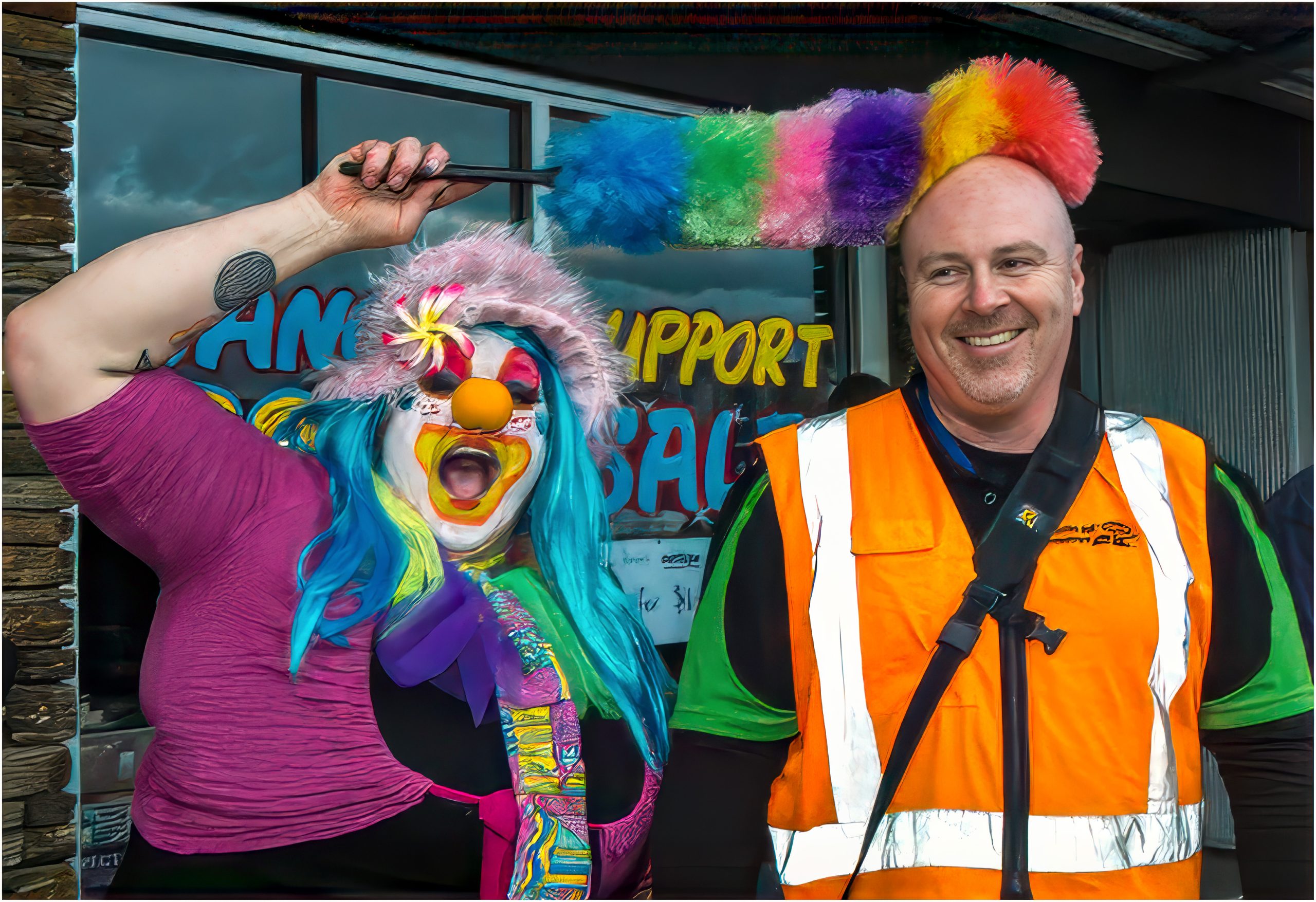
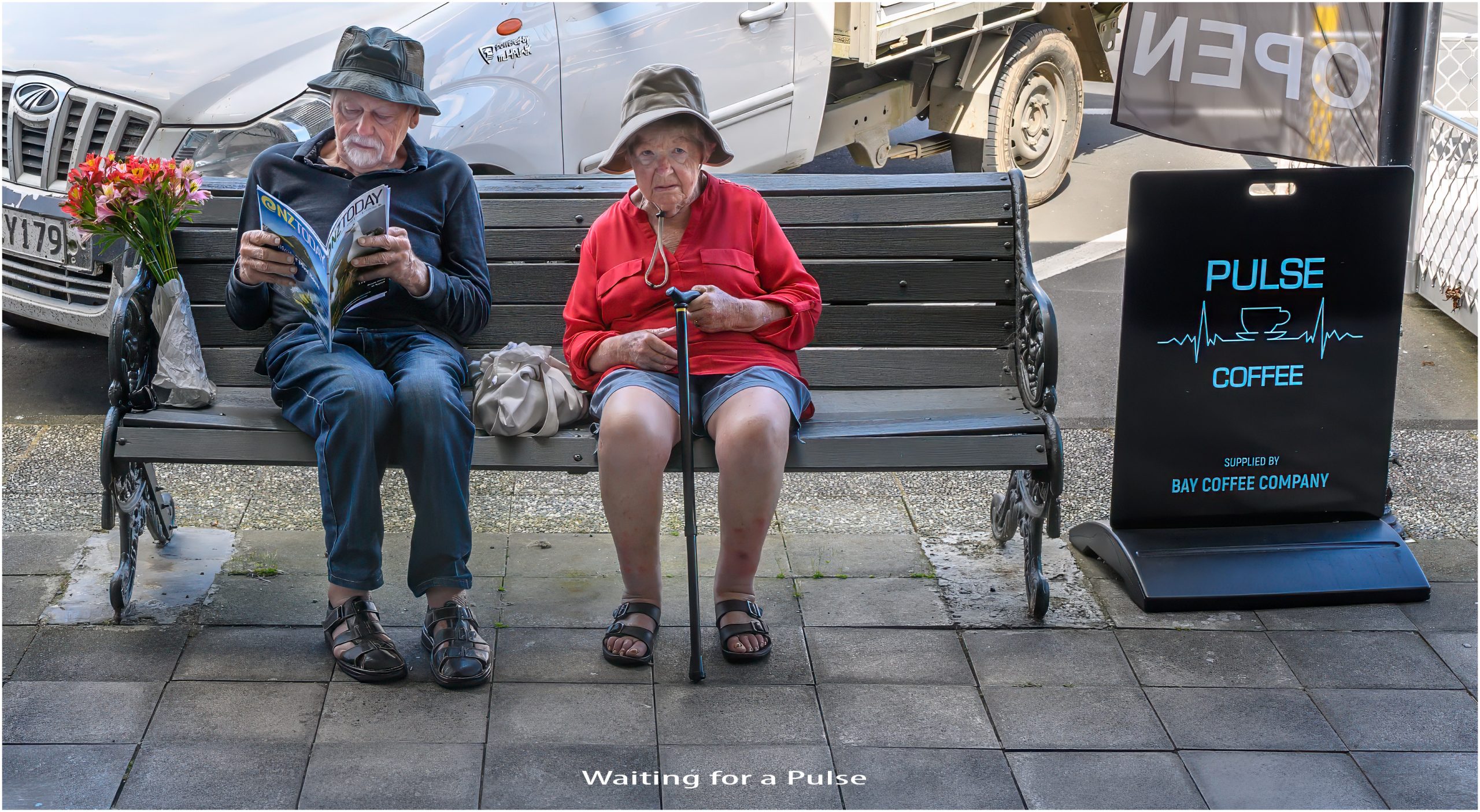
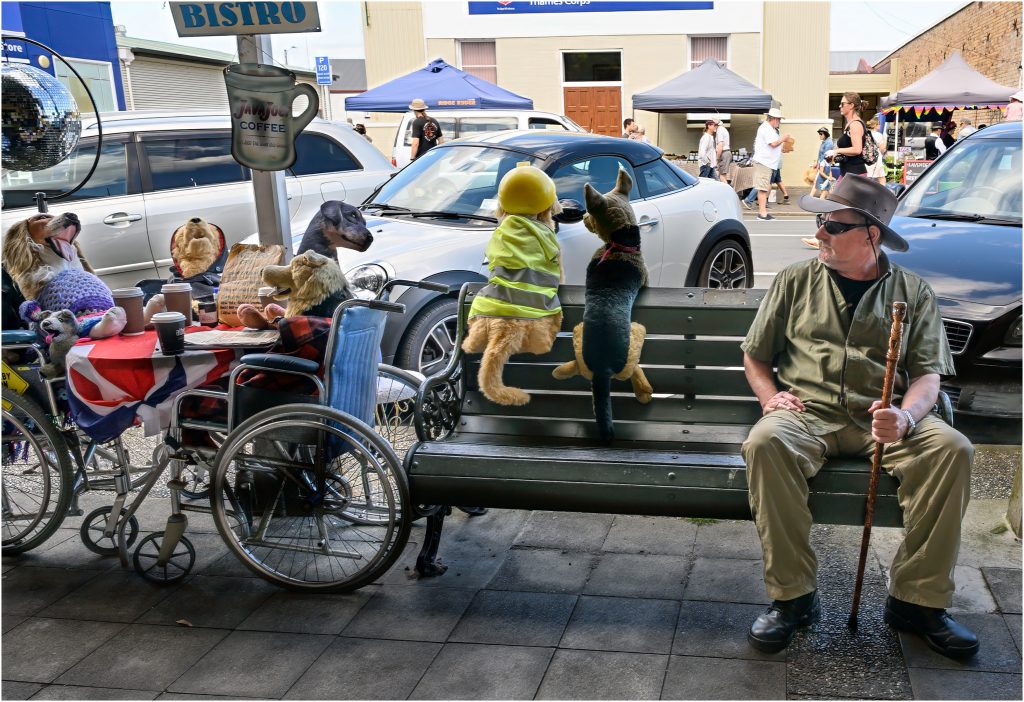
Many people [including photographers] will look at the above image and fail to understand my logic. Nor will it occur to them why I rate it so highly. I suspect this is largely due to a lack of understanding about what contributes to quality Street Photographs. For this reason, I’ve decided to devote my first Blog to explaining the vital components of this much misunderstood and often maligned genre of Photography.
Traditionally and for competitive reasons, street images have previously been considered under the Photojournalism genre of photographic art. The historical definition of Photojournalism contains one element which the vast majority of street images cannot fulfil. It declares images to be: “storytelling images such as seen in news media and periodicals.”
Over time, street imagery has morphed into something of a genre in it’s own right. I have little doubt, this has been fuelled by the plethora of mobile phone cameras and some very neat digital cameras. Additionally, modern camera technology is supported by copious YouTube tutorials. These contain a raft of photographic topics, including demonstrations of techniques and equipment used for Street Photography.
The new definition of Street Photography details the required elements which should be present within a street image. The definition is supported by a brief explanation of terms which further assist clarification. I am particularly pleased that the Photographic Society of New Zealand [PSNZ] has accepted the following definition of Street Photography. From July 2025 the definition I’ve formulated, with assistance of Annette Johnston FPSNZ, will be used as a reference point for PSNZ Assessors & Judges within Competitions, Salons and Exhibitions held by PSNZ. I believe this will encourage a seismic shift in the understanding of this genre of photography.
The Definition of Street Photography.
- Street Photography, sometimes referred to as candid photography, is a subcategory of photojournalism focused on artistic or documentary enquiry rather than publication in news media. It captures spontaneous, unmediated moments or chance encounters in public spaces.
- While most street photographs include people, their presence is not essential. An image may instead feature objects, environments, or scenes that convey a distinctly human presence through context, atmosphere, or aesthetic. Images may be taken from a private location, provided the subject matter remains situated in a public environment.
The definition may take a little while to fully comprehend. To assist photographers, PSNZ also includes what is intended in certain key words or phrases.
- Candid means – open, genuine, honest, truthful and sincere in it’s representation
- Street means – Any Street, Road or Thoroughfare, including a Public Library, Multi-storey Car Parks, Shopping Malls, Beaches and Reserves. [Provided by NZ Police]
- Public environment – This is a little more difficult to understand due to variable factors which govern such spaces. For example: A shopping mall protected by private security personnel might indicate that only invited members of the public are welcome. A similar situation might apply to sports stadiums, arenas or theatres. Whilst such places might be privately owned, the public are invited to be present in some situations. [e.g. when open for trading.] These premises become grey areas and might be best avoided unless photographers have obtained provable consent to photograph people within such places.
You might also be wondering about the sentence within the definition which reads: An image may instead feature objects, environments or a scene, 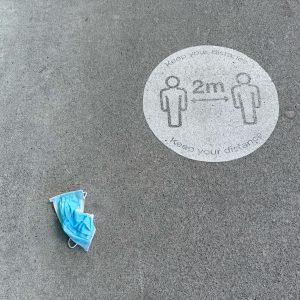 which convey a distinctly human presence through context, atmosphere, or aesthetic. By way of an example, please refer to the image on the right which illustrates the existence of the Covid pandemic in 2021. It shows one of many signs which popped up during that period. This pavement instruction references the requirement that humans need to create a distance of at least 2 metres between them when in a public. Ironically, the juxtapositioning of the discarded medical grade face mask, suggests a contradiction of other safety requirements of that time. The image may not be newsworthy, however it clearly tells the story of a hugely debilitating pandemic in a small, yet significant storytelling image.
An additional set of restrictive practices are applicable to Street Photography.
The PSNZ definition, contains the following caveat:
- The storytelling value of the images in this category shall receive priority over pictorial quality. In the interest of credibility, images must not misrepresent the truth. No situations shall be set up for the purpose of photography.
- Any manipulation or modification of the original image must not alter the content of the original scene and elements of the story may not be introduced, removed, shifted or changed in any way including HDR toning or use of image enhancement software. Complete conversion of colour images to grayscale monochrome is permitted as are the removal or correction of elements added by the camera or lens, such as dust spots, noise, chromatic aberration and lens distortion.
My aim in sharing this Blog, is to encourage a better understanding of the common goals of Street Photography. I sincerely hope that increased awareness of the aims and objectives set out by the Photographic Society of New Zealand, will improve the way photographers and assessors obtain, view and consider this genre in future.
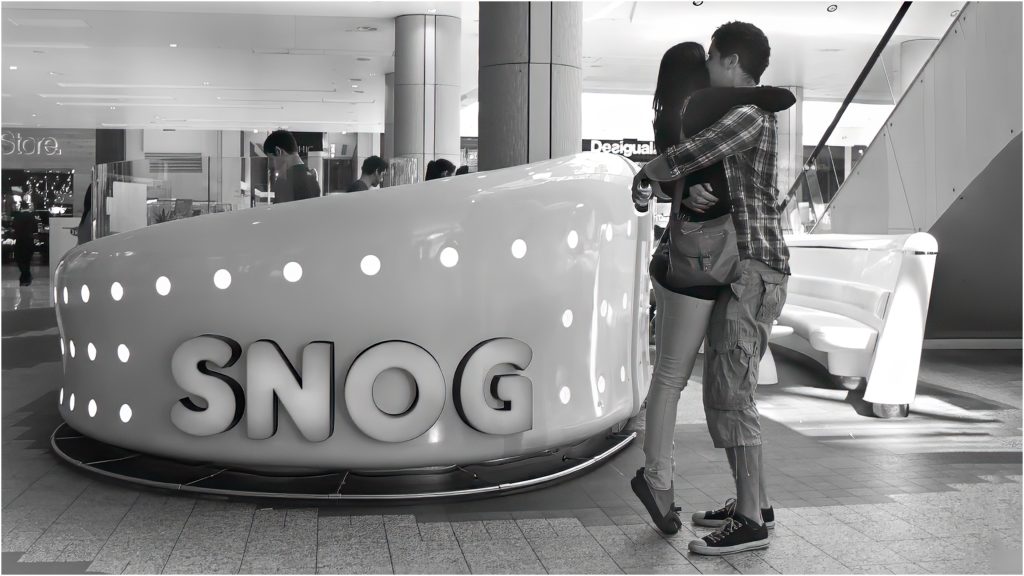
To see more street images click here